Does Connecting to a VPN Server Prevent Location Tracking?
Does Connecting to a VPN Server Prevent Location Tracking?
Blog Article
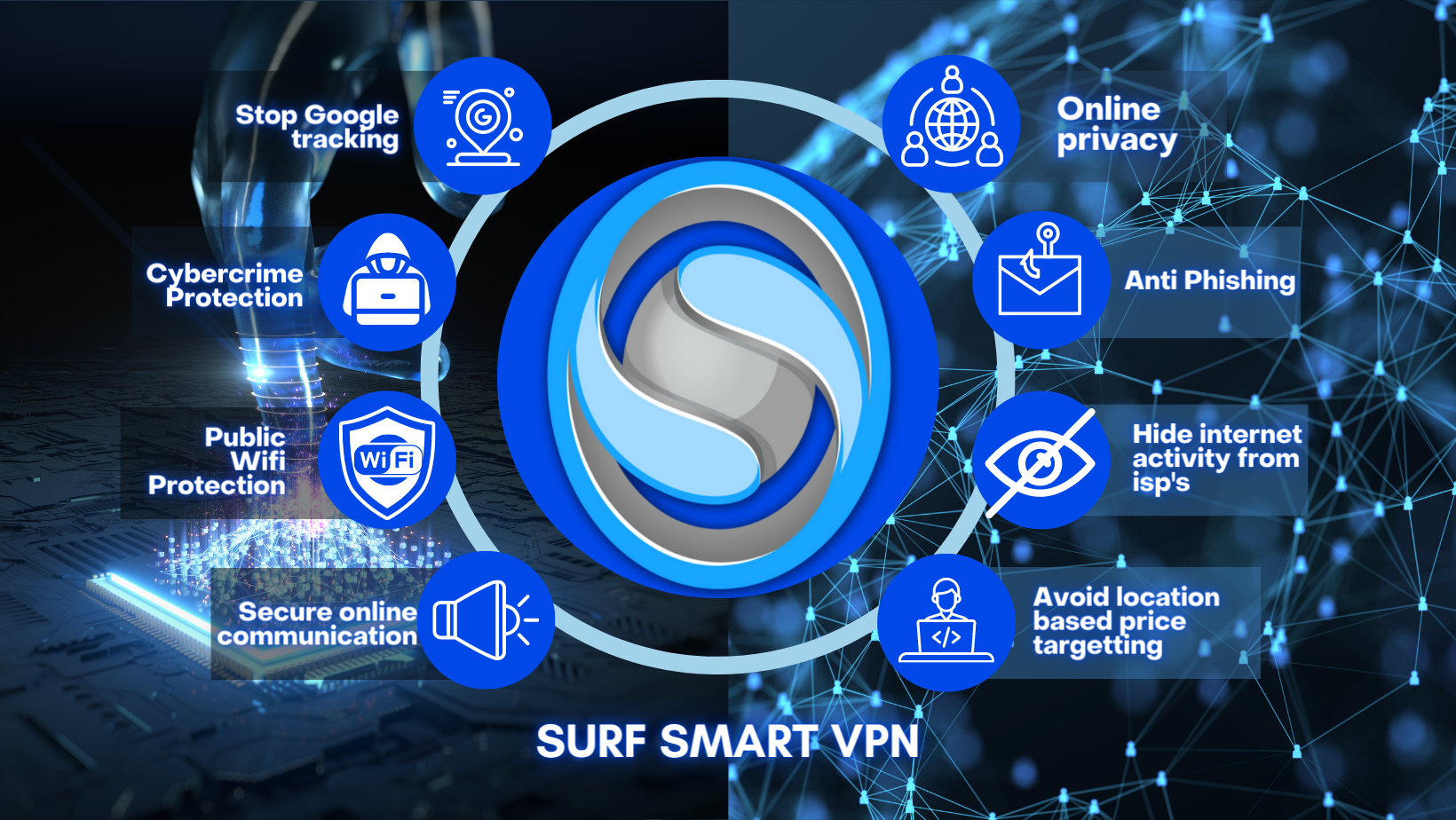
While a virtual private network can certainly hinder location monitoring , the truth is it’s never a foolproof solution . VPNs work by masking your actual IP address and sending your internet traffic through a server in a selected location, making it appear as though you’re using the internet from that place . However, several elements can still undermine this protection . GPS on your device, browser fingerprinting, and even IP leaks can potentially reveal your approximate location, meaning a VPN doesn’t provide complete protection from being pinpointed . Therefore, while a VPN is a important tool, it’s advisable to use it in combination other security measures for a truly private online presence .
VPNs vs. Location Tracking: What You Need to Know
Your online trail is constantly being monitored, and understanding how to protect your privacy is increasingly vital. Location tracking, whether through your smartphone, device, or website, allows companies and potentially governments to obtain data about your whereabouts. A VPN can be a useful method to counteract this. By masking your IP location, a VPN routes your connection through a distant location, making it hard to pinpoint your actual place. However, it’s essential to pick a trustworthy VPN company with a solid privacy policy, as some may still store your data. Consider these factors:
- Understand what data is being gathered.
- Investigate VPN providers carefully.
- Be aware that no method is totally foolproof.
How VPN Servers Protect Your Location Privacy
VPN connections offer a crucial layer of security for your location anonymity. When you join to a VPN server, your actual IP address is replaced by the server's IP. This makes it difficult for websites, third parties and even your ISP to pinpoint your real location. Essentially, you seem to be browsing from the VPN server's geographic location, providing a degree of discretion and shielding your information from possible tracking.
Location Tracking & VPNs: A Complete Guide
Understanding how location tracking works and how a Virtual Private Network (VPN) can offer protection is increasingly important for safeguarding your digital privacy. Many apps and websites constantly attempt to determine your whereabouts, employing techniques like GPS data, Wi-Fi signal triangulation, and IP address detection. This information can be used for targeted advertising, personalized content, or even shared with third parties without your explicit consent. A VPN essentially masks your true location by routing your internet traffic through a server in a different region, providing a new, virtual IP address and encrypting your data, making it significantly harder to pinpoint your real location. While not a foolproof solution – some advanced tracking methods still exist – utilizing a VPN represents a valuable step in regaining control over your online footprint and protecting your personal data from unwarranted observation | scrutiny | monitoring. Choosing the right VPN service is also crucial; consider factors like server locations, encryption protocols, privacy policies, and speed when making your selection.
Does a VPN Always Hide My Location? The Truth
While a virtual private network is often advertised as the Can VPN Stop Location Tracking? What It Can Hide ultimate solution for concealing your geographic position, the fact is a little more nuanced. It’s rarely a perfect process. A VPN primarily works by routing your internet connection through a host in a different region, thus appearing as if you're located there. However, aspects like DNS leaks, IP identifier inconsistencies, and the VPN provider’s own record-keeping can sometimes reveal your real identity. Therefore, a VPN isn't a certainty of complete privacy; it's a layer of security that needs to be used alongside other privacy-enhancing measures for optimal results.
VPN Server Choice: Maximizing Location Tracking Protection
Selecting the ideal server location is critically important for truly maximizing your positional detection safeguard. A carefully selected point can successfully mask your true place, making it hard for websites and advertisers to ascertain your specific positioning. Consider factors like regional regulations and the firm's logging practices when making your best selection.
Beyond IP Address : Can VPNs Block All Position Tracking ?
While Virtual Private Networks offer a substantial boost in anonymity , they don't provide a perfect shield against every location monitoring . Internet Protocol location masking is a vital feature, but clever techniques , such as mobile fingerprinting , web identification, and Global Positioning System data, can still reveal your estimated location . Furthermore, some services might utilize multiple monitoring techniques , making total evasion exceptionally difficult .
VPNs and Geolocation: What’s the Reality?
VPNs provide a seemingly straightforward answer to accessing restricted content and protecting your online confidentiality, but the reality about their effectiveness regarding geolocation is quite nuanced. While a VPN will mask your actual IP address, making it appear as though you're browsing from a alternative country, it doesn’t totally spoof your geographic area. Websites and services increasingly use techniques like HTML5 geolocation and Wi-Fi triangulation that might still reveal your real location, even when using a VPN. Furthermore, some VPN providers themselves might reveal location data, either due to configuration issues or, less commonly, deliberate policies. To sum up, a VPN delivers a significant level of privacy regarding geolocation, but it’s never a promise of complete anonymity.
- Keep in mind that geolocation technology are improving.
- Select a reputable VPN provider with a strong history.
- Understand that no online method offers absolute privacy.
Understanding VPN Location Hiding Capabilities
VPNs offer a significant feature: the capacity to conceal your actual location. They achieve this by routing your internet data through a server in a separate area. This makes it appear as though you are browsing the internet from that specific spot, effectively hiding your native IP address. Essentially, this online footprint is re-routed to match the VPN node's geographic setting, safeguarding your anonymity and allowing you to bypass geo-restrictions.
Location Tracking Exposed: How Virtual Private Networks Can Help (and Where They Can't)
Your device is constantly broadcasting your precise location, often without you even understanding. This position is valuable to businesses, authorities, and potentially, malicious actors. A Virtual Private Network can offer a degree of privacy by altering your IP location and sending your internet traffic through a remote server in a another place. However, note that a VPN doesn’t fix *every* location problem. It won't prevent app-level tracking, which relies on GPS and Wi-Fi signals. Therefore, combining a VPN with selective app allowances and privacy settings is crucial for fully protecting your security.
Protecting Your Privacy: Selecting the Best VPN for Location Tracking
With growing concerns about online protection and location monitoring , finding the right Virtual Private Network (VPN) is vitally important. Consider several factors when making a determination. Look for a VPN provider with a published “no-logs” policy , guaranteeing they will not store records about your browsing activity. Furthermore , verify their network availability - a wider spread can help you seem to be in different regions . Finally , research independent testimonials and analyze features and pricing before signing up.
- Emphasize a strict no-logs agreement .
- Examine server presence .
- Scrutinize user reviews .
VPN Server Distance and Your Location Privacy
The actual range between your VPN host and your real area can surprisingly influence your location privacy. While a VPN fundamentally masks your IP address, choosing a nearby server doesn’t automatically guarantee full anonymity. In particular cases, a closer server could potentially leak information due to network configurations or provider data retention rules. Consider that a distant server, although raising latency, might offer a more layer of protection if you’re concerned about regional data inquiries.
- Selecting a unpredictable server site can further enhance your overall privacy.
- Understand that the VPN service’s logging procedures are more significant than the mere separation of the server.